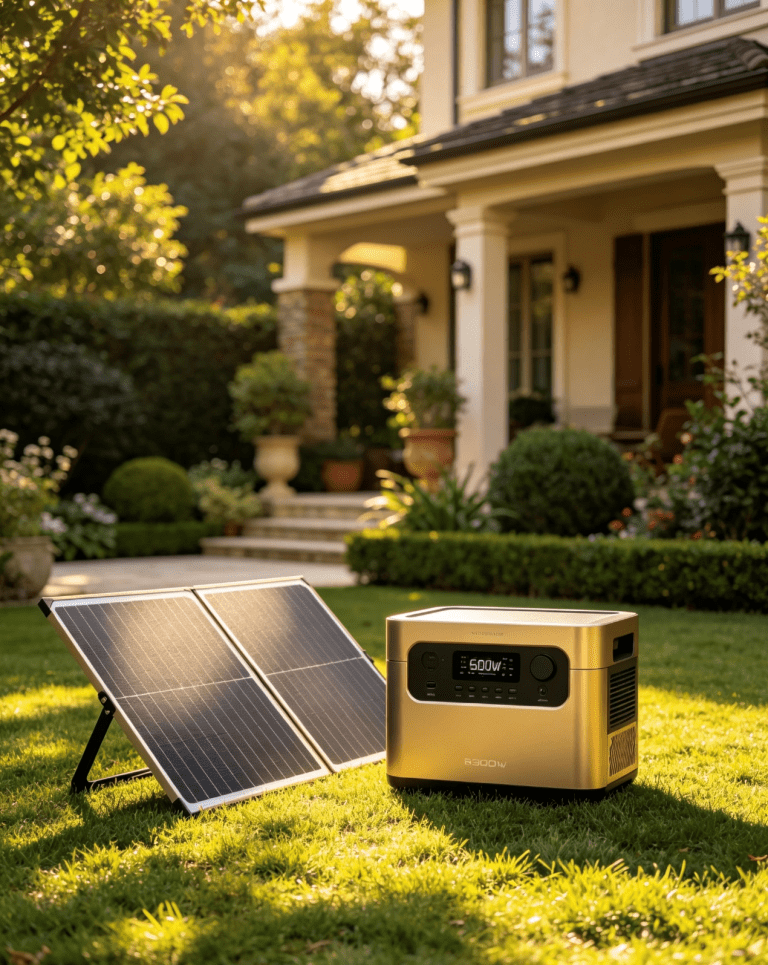


A simple customer-friendly explanation of solar input, MPPT charging, panel placement, and realistic charging expectations.
Solar input is a maximum, not a promise
A power station may support a high maximum solar input, but real charging speed depends on sun angle, panel wattage, temperature, cable quality, and shade. Customers should treat the rating as the best-case ceiling.
MPPT helps make solar useful
MPPT charging technology helps the power station convert panel output more efficiently. It is especially useful when sunlight changes throughout the day or when panels are placed in real outdoor conditions rather than lab conditions.
Panel placement matters
Panels should face strong direct sunlight and be adjusted through the day when possible. Even partial shade can reduce output significantly, so a clear location often matters more than adding another panel.
Plan around daily needs
Solar charging is excellent for camping, RVs, remote work, and longer outages, but customers should calculate what they use each day. If daily consumption is higher than daily solar recharge, battery levels will continue to fall.
Best setup for flexibility
A practical system combines AC fast charging before a trip, solar charging during the day, and vehicle charging as a backup. That mix gives customers more confidence away from wall outlets.
Bottom line: A well-chosen portable power station gives customers practical energy security without overcomplicating daily use. Match capacity, output, battery chemistry, and charging options to the real job.