
Help outdoor customers understand common camping devices, runtime planning, and safe power habits.
Start with essentials
Most camping setups need lighting, phone charging, cameras, a cooler or small refrigerator, a fan, and sometimes a laptop or projector. Listing these items before the trip prevents overpacking and helps customers estimate runtime.
Know the wattage
Small electronics use very little power, while appliances with compressors or heating elements use much more. Customers should check device labels and build a realistic power plan instead of guessing from product size.
Use high-power devices carefully
Electric kettles, induction cookers, heaters, and hair dryers can drain batteries quickly. A 2000W inverter may run many of them, but runtime can still be short if the device consumes a lot of energy.
Recharge during the day
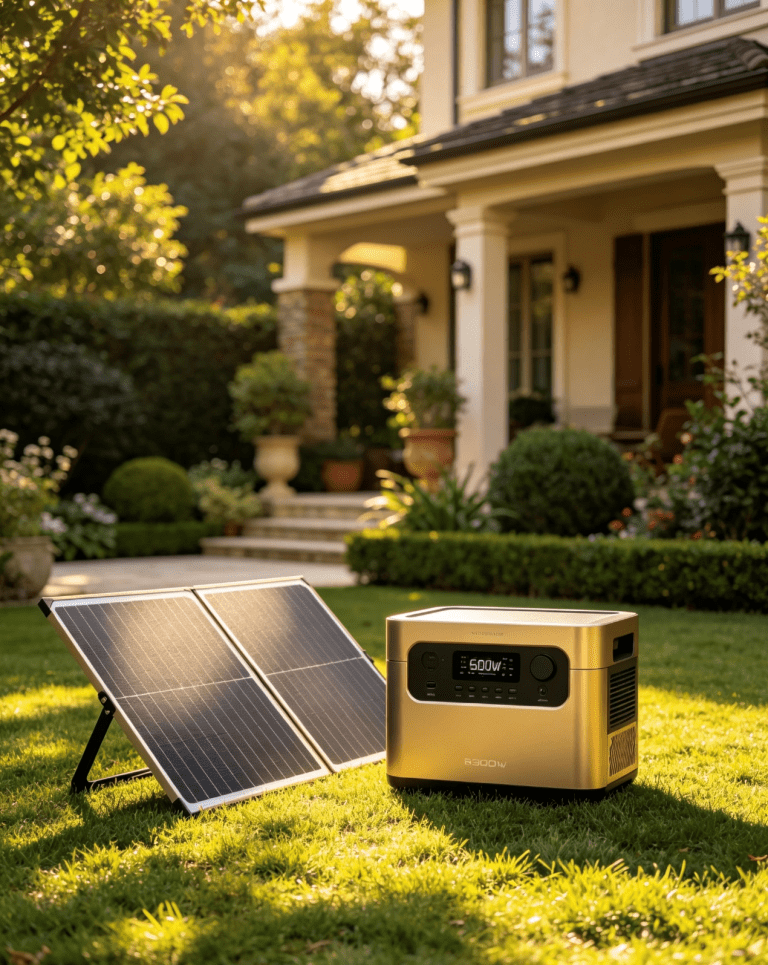
Solar panels are a natural match for camping. Place panels early, keep them in direct sun, and use the power station during evening hours when solar input is gone.
Pack with safety in mind
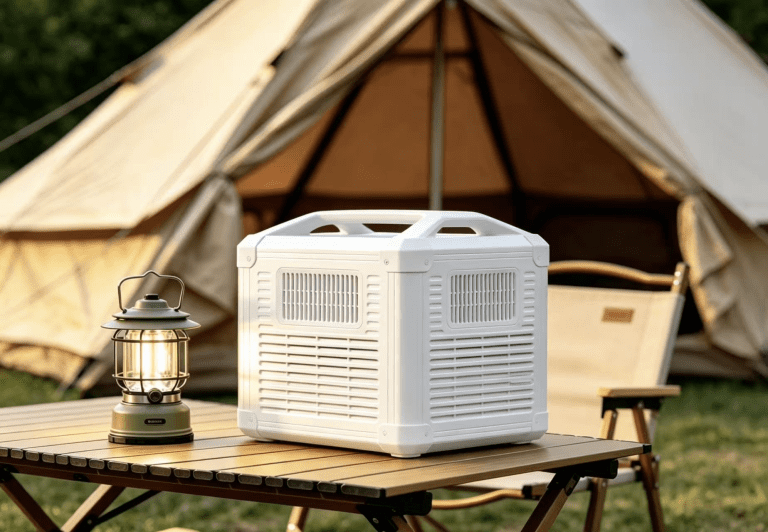
Keep vents clear, avoid rain exposure unless the product is rated for it, and store cables neatly. A good power station improves comfort outdoors, but it should still be treated like serious electrical equipment.
Bottom line: A well-chosen portable power station gives customers practical energy security without overcomplicating daily use. Match capacity, output, battery chemistry, and charging options to the real job.