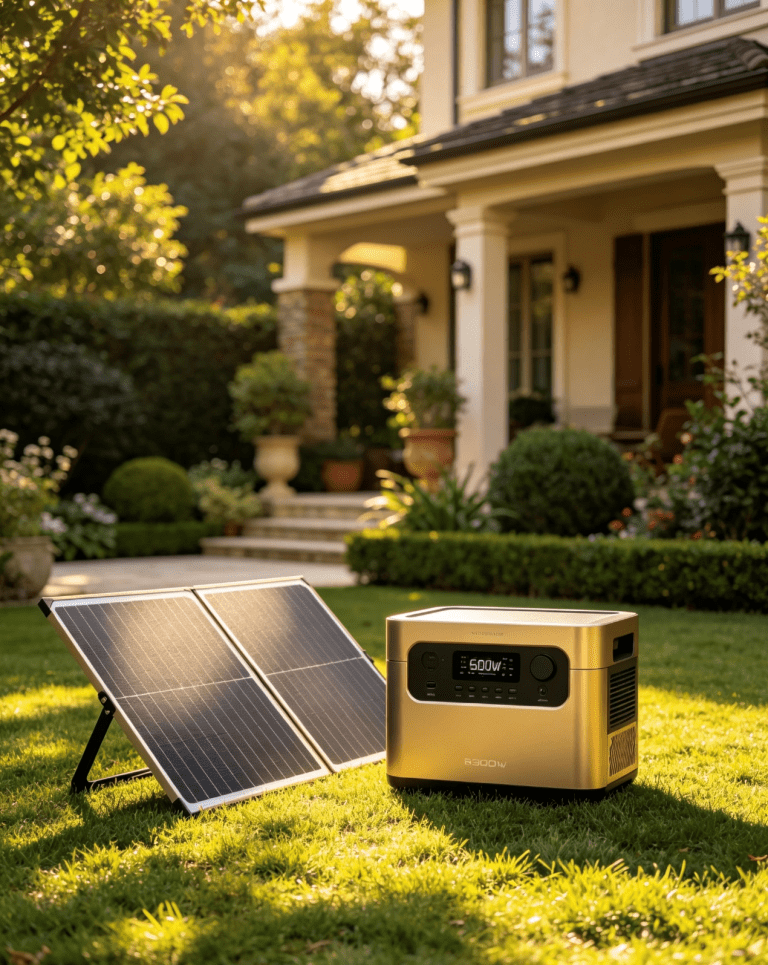


Teach shoppers how to estimate runtime using watt-hours, device wattage, and realistic backup priorities.
The basic formula
Runtime starts with a simple idea: watt-hours divided by device watts equals approximate hours. A 2048Wh power station running a 100W load can theoretically last around twenty hours before efficiency losses.
Efficiency matters
Inverters, fans, temperature, and device behavior reduce real-world runtime. Customers should build a margin into every estimate rather than expecting perfect laboratory results.
Separate essentials from comfort
Emergency backup is easier when customers choose priority devices first. A refrigerator, router, phone, lights, and medical support device are more important than entertainment or heating devices in many homes.
High-wattage devices drain fast
Anything that creates heat usually consumes a lot of power. Space heaters, kettles, ovens, and hair dryers can empty a battery quickly even if the inverter can run them.
A practical planning habit
Make a short list of essential devices, write down wattage, choose desired runtime, then add a buffer. That simple process leads to better product choices and fewer surprises during outages.
Bottom line: A well-chosen portable power station gives customers practical energy security without overcomplicating daily use. Match capacity, output, battery chemistry, and charging options to the real job.